
The Creature Comforts Chronicles: Where Happy, Healthy Pets Create Happier, More Connected Humans
Decompression walks, sensory gardens, the Wing-Pup Effect — Paul Flotron reveals the cutting-edge science behind next-gen pet care and why a well-loved dog might just change your entire life.

By Paul Flotron — Founder, Owner & Director of Creature Comforts Great & Small, LLC
What if everything you thought you knew about caring for your dog was only half the story?
After nearly two decades of professional pet care here in St. Louis, I've watched the science of animal wellness evolve in ways that genuinely excite me. The dogs thriving today aren't just well-fed and well-walked — they are mentally stimulated, emotionally balanced, and deeply understood. And here's the part that surprises most people: the way you care for your pet quietly transforms your own life, too.
That's what the Creature Comforts Chronicles is all about. Let's dive in.
Your Dog's Brain Is a Supercomputer — Start Treating It Like One
The standard sidewalk walk is a good start. But it's not enough — and in some cases, it's actually working against your dog.
Urban environments are full of triggers: traffic, strangers, other dogs, unpredictable sounds. For many dogs, a tight on-leash walk through the neighborhood quietly raises cortisol levels rather than lowering them. The result? A dog that looks exercised but feels stressed.
The solution is a decompression walk — a 15-to-50-foot long line in open nature, where your dog leads, sniffs freely, and sets the pace. Sniffing alone lowers heart rate and floods the brain with dopamine. The science is unambiguous: a 20-minute sniffing adventure delivers more mental exhaustion and emotional satisfaction than a 2-hour forced march on pavement. Your dog comes home genuinely calm — not just physically tired.
From there, the enrichment philosophy deepens. Imagine a backyard or indoor space layered with non-toxic herbs — lavender for calming, mint for stimulation — varied textures like sand, smooth stones, and woodchips, and hidden foraging puzzles tucked throughout. This is a sensory garden, and it taps directly into your dog's primal drive to explore and forage. Boredom-driven behaviors like chewing and barking don't get corrected — they simply disappear, because the underlying need is finally being met.
When we give dogs the chance to work for their environment, we give them back a piece of who they truly are.
The Mental Health Revolution Happening in Your Dog's Bowl
Here's a shift that sounds small but changes everything: throw out the static dog bowl.
Every meal is a cognitive opportunity. Snuffle mats, frozen licking layers, kinetic puzzle feeders — these aren't toys, they're tools. Licking and chewing release endorphins that naturally soothe anxiety and build frustration tolerance over time. This isn't enrichment for enrichment's sake. It's behavioral therapy, delivered at mealtime.
The flip side of this is equally important. Just as under-stimulation causes problems, over-stimulation causes them too. Too many doggy daycares, chaotic dog parks, and relentless social exposure can push a dog into chronic stress — a state most pet parents never recognize because it doesn't look like distress. It looks like a dog that's always "on."
Dogs need 14–16 hours of high-quality sleep per day. Building a balanced sensory budget — knowing when to engage and when to let your dog rest and reset — is one of the most sophisticated and loving things you can do as a pet parent. A calm, rested dog isn't a boring dog. It's a confident one.
The Wing-Pup Effect: How Your Dog Is Changing Your Social World
This is the part of the story I find most fascinating — and most people never see it coming.
The way you care for your pet broadcasts something powerful about who you are.
When someone invests in enrichment, behavioral training, and genuine mental stimulation for their dog, they're signaling something to every person who encounters them. A thriving, well-balanced dog is a living character reference. It communicates:
- Empathy over ego — You are other-centered. You anticipate and meet the needs of a vulnerable living being without being asked.
- Consistent reliability — A healthy pet requires routine, financial responsibility, and emotional patience. These are the baseline traits of a trustworthy person.
- Emotional accessibility — A happy, well-behaved dog on a decompression walk is a social invitation. It lowers barriers and opens conversations that would never happen otherwise.
The neurochemistry behind this is real. Oxytocin — the bonding hormone — spikes not only when we look at our dogs, but when we share positive, interest-aligned spaces with other animal lovers. Daily walks stop being exercise and start becoming a genuine social network, filtering out superficial interactions and connecting you with compassionate, like-minded people.
The formula writes itself: High-enrichment care → Calm, confident pet → Signals emotional maturity → Attracts deeper, more meaningful human connections.
A well-loved dog doesn't just make your home happier. It makes your whole life richer.
What's Coming Next on the Blog
We have a full year of content ahead — each post building on the last, going deeper into the science and the stories behind elite pet care. Here's a preview:
| Month | Topic |
|---|---|
| January | The Sniffari Revolution: Why Your Dog Needs a Decompression Walk |
| February | The Ultimate Green Flag: How Loving a Pet Signals You're Ready for Real Love |
| March | Ditching the Bowl: Turning Mealtime into a Dopamine-Boosting Puzzle |
| April | The Empathy Bridge: How Deep Pet Care Resets Your Human Relationships |
| May | Designing a Backyard Sensory Garden: Micro-Adventures for Your Dog |
| June | Dog Park Overload: Recognizing Canine Burnout and Cortisol Spikes |
| July | Social Catalysts on Leash: How Your Dog Breaks the Ice in a Lonely World |
| August | The Nurture Metric: Why Pet Parents Make the Best Lifelong Partners |
| September | Agility of the Mind: Easy Indoor Obstacle Courses for Rainy Days |
| October | The Science of the Lick: Natural Anxiety Relief Strategies for Dogs |
| November | Gratitude & Paws: How the Pet Effect Alters Human Brain Chemistry |
| December | A Creature Comforts Welcome: Our Philosophy on Holistic Pet Happiness |
Every one of these topics grew out of real conversations with real clients right here in St. Louis. This community inspires everything we do.
Whether you've been with us for years or you're discovering Creature Comforts for the first time — welcome. Let's elevate our pets' lives, open our hearts, and unlock deeper, more meaningful connections with the world around us.
Reach out anytime at (314) 775-7107. We would love to meet you and your animals.
If your dog's boredom has crossed into destructive behavior, Beyond the Backyard: Why Your Dog's Boredom Is Destructive — and How Animal Adventures Solve It explains exactly what is happening — and how structured pack adventures fix it.
And for the full science of what elite, full-spectrum wellness looks like in practice, Beyond the Food Bowl: An Expert's Guide to Elite, Full-Spectrum Animal Wellness covers all four pillars.
Warmly, Paul & The Creature Comforts Team
Explore Topics
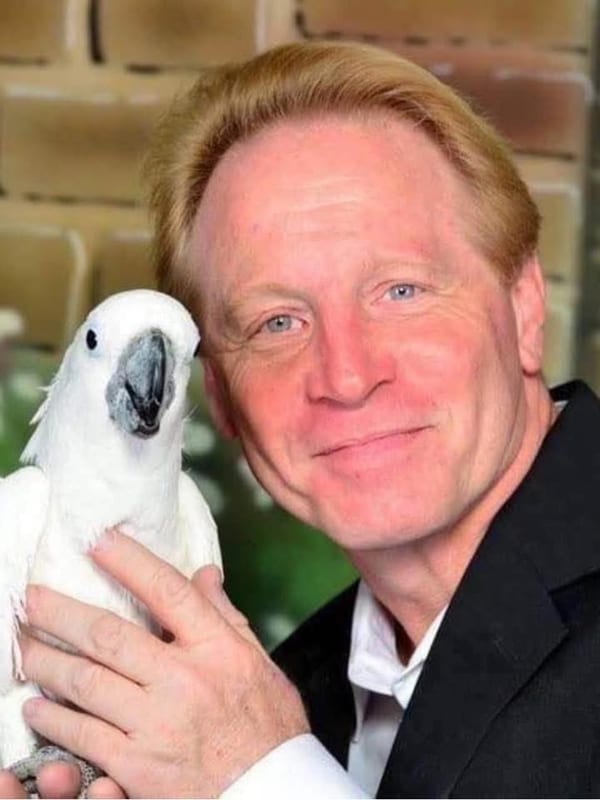
Written by
Paul Flotron
Owner & Founder of Creature Comforts Great & Small, LLC — St. Louis's premier in-home pet care specialist with 17 years of experience caring for animals of every species, size, and temperament.


