
The Heartbeat of Rescue: A Masterclass in Welcoming Your Newly Adopted Pet
There is an indescribable magic that happens the moment you look into the eyes of a rescue animal. Paul Flotron shares his personal rescue journey — from Dudley to Sing-Sing to Baby — and the step-by-step blueprint for a seamless, joyful adoption transition.

There is an indescribable magic that happens the moment you look into the eyes of a rescue animal. It is a silent conversation, a profound baseline of understanding where past uncertainty meets the promise of a shared future. As the founder and director of Creature Comforts Great & Small, LLC, my life's work has been dedicated to understanding, honoring, and nurturing the bond between humans and the incredible creatures who share our world.
Adopting a pet from a rescue is not merely about bringing an animal into your home; it is a transformative act of advocacy and compassion. When you choose rescue, you are unlocking a profound loyalty. You are giving a second chance to a living soul that has so much love left to give. But the true beauty of adoption lies in the journey that follows the ride home — the delicate, rewarding process of assimilation.
My own home has long been a sanctuary for rescued avian companions, and their stories perfectly illustrate the patience, devotion, and joy that define a successful rescue transition.
Echoes from the Flock: My Personal Rescue Journey
To understand the depth of a rescue pet's capacity to adapt, one only needs to look at the feathered pillars of the Flotron family.
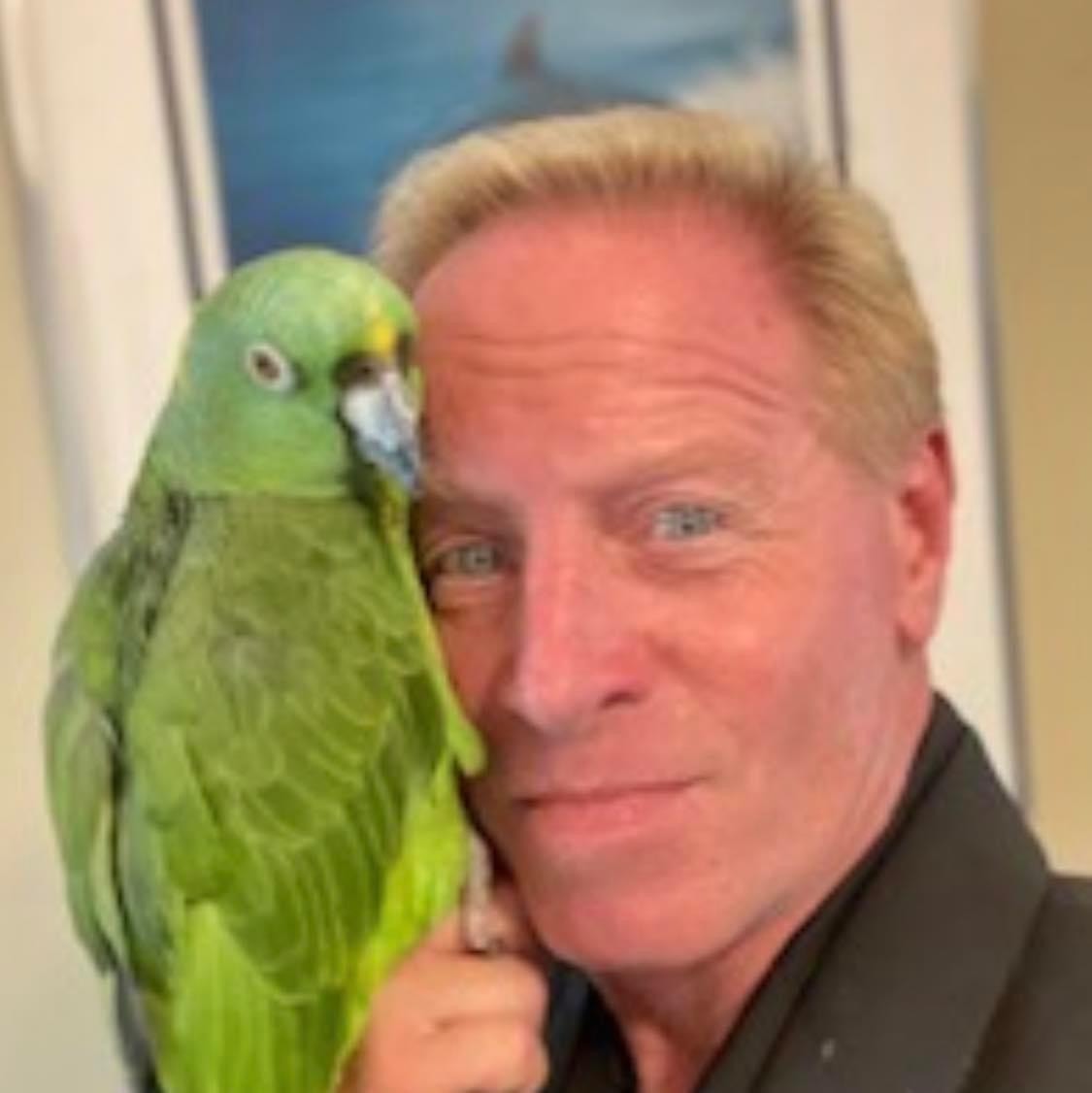
In 1992, I welcomed Dudley, a brilliant Yellow-Naped Amazon Parrot. Dudley came to me from the prominent St. Louis family of the legendary and deeply respected longtime TV anchorman, Dick Ford. Transitioning from a high-profile household to a new environment required establishing deep trust. Dudley taught me that every rescue animal carries a history, and our job as caretakers is to listen to their unique cadence before introducing our own.
Years later, in 2006, while living in Southern California, I expanded our feathered family with Sing-Sing, an Umbrella Cockatoo. Cockatoos are intensely emotional, highly sentient beings. Sing-Sing required a masterclass in emotional security. By dedicating intentional, calm spaces and predictable routines, Sing-Sing blossomed — proving that geographic and environmental shifts are entirely manageable when anchored by unwavering patience.
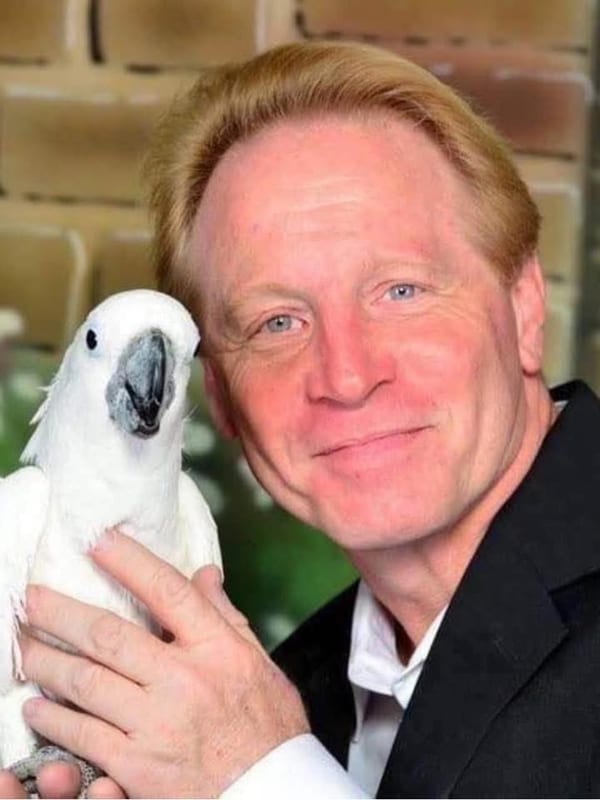
Then, in 2016, my dear friend and brilliant veterinarian, Dr. Doug Pernikoff, connected me with Baby, a Greater Sulphur-Crested Cockatoo from his rescue organization, Dr. Doug's Vet Pet Rescue. Baby carried the typical complexities of a rehomed large psittacine, yet through the exact step-by-step assimilation guidelines we practice at Creature Comforts Great & Small, Baby integrated beautifully.
Whether your new family member is furry, feathered, scaly, or otherwise, the blueprint for a seamless, happy integration remains universal. Here is the step-by-step guide to ensuring your newly adopted pet thrives from day one.
The Blueprint for a Successful Rescue Assimilation
Phase 1: Decompression and the "Safe Zone"
The first 48 to 72 hours are entirely about decompression. Your home is filled with unfamiliar scents, sounds, and layouts.
- Establish a Sanctuary Room: Set up a quiet, low-traffic area specifically for your new pet. For a dog or cat, this might be a spare bedroom or cozy alcove; for a scaly or feathered companion, ensure their enclosure is situated away from chaotic household hubs but within sight of calm human activity.
- Observe Without Overwhelming: Give them space to explore their immediate surroundings. Avoid throwing an immediate "welcome home" party with extended family or neighbors. Let them learn that their new space equals safety.
Phase 2: The Power of Predictability
Animals thrive on routine. Predictability lowers cortisol levels and builds cognitive confidence.
- Standardize the Clock: Feed, walk, handle, or interact with your pet at the exact same times every day. When Dudley and Sing-Sing first arrived, maintaining a rigid schedule for morning greetings and evening cover-up times gave them an immediate sense of control over their environment.
- Consistent Verbal Cues: Use clear, gentle, and repetitive language so they can begin cataloging your intentions.
Phase 3: Gradual Integration and Socialization
Once your pet shows signs of relaxation — such as relaxed body language, regular eating habits, and curiosity — you can begin widening their world.
- Controlled Introductions: Introduce other family members one by one. If you have existing pets, utilize scent swapping (exchanging bedding) before face-to-face meetings. Always supervise these interactions completely.
- Respect the Boundaries: If your new pet retreats or shows signs of stress, pause and step back. Forcing a connection only delays true assimilation.
Phase 4: Lifelong Wellness and Mutual Growth
A successful assimilation culminates in a lifestyle optimized for health and mutual respect.
- Nutritional and Environmental Enrichment: Provide species-appropriate mental stimulation. For Baby, this meant a rotation of foraging toys to engage her brilliant mind. For a dog, it may be puzzle feeders; for a reptile, dynamic habitat features.
- Establish Vet Care Early: Partner with a trusted veterinarian, like Dr. Pernikoff, to establish a health baseline early in your adoption journey.
Bringing a rescue pet into your life is an extraordinary privilege. It alters the trajectory of a life forever — both theirs and yours. By anchoring your approach in patience, structured guidance, and unconditional love, you ensure that your home becomes the ultimate sanctuary for a joyful, vibrant future together.
Once your new companion is settled, understanding how they communicate is the next step. The Secret Language of Pets: 5 Fascinating Ways Our Great and Small Companions Are Talking to Us will help you read every signal they send.
And when you are ready to think long-term about their health and vitality, Living to 20 and Beyond: The Cutting-Edge Science Rewriting the Rules of Pet Care shows what proactive, lifelong care can achieve.
Ready to Bring a New Pet Home?
If you are planning to adopt soon, I would love to help you prepare. Reach out and let me know:
- What species or breed you are adopting
- If you have other pets or children in the household
- Any specific behavioral or space constraints you are navigating
I can provide customized preparation tips tailored directly to your home layout and lifestyle. Because at Creature Comforts Great & Small, every transition deserves to be handled with the care and expertise your new family member deserves.
— Paul Flotron Animal Expert | Owner & Founder, Creature Comforts Great & Small, LLC
Explore Topics
Written by
Paul Flotron
Owner & Founder of Creature Comforts Great & Small, LLC — St. Louis's premier in-home pet care specialist with 17 years of experience caring for animals of every species, size, and temperament.


